
Murrells Inlet, South Carolina
Murrells Inlet Kayak Fishing
The local guide to paddling the Grand Strand waterway corridor — from Surfside to Litchfield. Find rentals, book guides, plan your trip, and discover the places only locals know.
Key takeaways
- Core species: redfish, flounder, spotted seatrout, black drum, and sheepshead.
- Best fishing window: early morning on a moving tide (rising or falling, not slack).
- A South Carolina saltwater recreational fishing license is required — confirm current pricing and any size/creel limits at the official SCDNR site before your trip, since these can change.
- Kayaks reach shallow grass flats and creek mouths boats can’t — a real advantage for redfish and flounder.
- Guided kayak fishing trips run ~$130/person for 4 hours with gear included; self-guided fishing kayak rentals cost less.
Why a Kayak?
Get Where the
Big Fish Hide
A kayak changes that. You can slide into 8 inches of water, approach quietly, and fish the exact spots where redfish are tailing and flounder are lying in ambush. It’s a completely different experience.
What's in the Water
Inshore Species Guide
Redfish (Red Drum)
Year-round — best fall
Habitat
Grass flats, creek mouths, oyster bars
Best Bait
Mud minnows, shrimp, mullet, gold spoons
SC Size Limit: 12–27 inches slot (SC)
Flounder
Spring through Fall
Habitat
Sandy bottoms near structure, creek channels
Best Bait
Mud minnows, mullet minnows, gulp shrimp
SC Size Limit: 12 inch minimum (SC)
Spotted Sea Trout
Spring through Fall
Habitat
Grass flats, shallow creeks
Best Bait
Live shrimp, soft plastics, topwater lures
SC Size Limit: 14 inch minimum (SC)
Black Drum
Year-round
Habitat
Oyster bars, dock pilings, channel edges
Best Bait
Fiddler crabs, shrimp, oysters
SC Size Limit: No minimum (SC)
Sheepshead
Winter and Spring
Habitat
Dock pilings, bridges, oyster bars
Best Bait
Fiddler crabs, barnacles, shrimp
SC Size Limit: 10 inch minimum (SC)
Cobia
Spring and Summer
Habitat
Open water near buoys, rays, structure
Best Bait
Live eels, large jigs, bucktails
SC Size Limit: 33 inch minimum (SC)
Natural vs. Artificial
Bait That Works in Murrells Inlet
With warm weather here — which is strange to say since we never have much of a winter — I almost strictly use natural bait. It’s so abundant and easy to catch, I don’t see much reason to use artificial. Here’s what I like to use by species.
Mud Minnows
The most versatile live bait in the inlet. Set a minnow trap overnight near marsh grass. Great for flounder, redfish, and trout.
Live Shrimp
Available at most local bait shops. Works on everything. Under a popping cork for trout, on the bottom for drum.
Mullet Minnows
Hard to beat for flounder. Catch them with a cast net in the early morning near the surface.
Fiddler Crabs
The go-to for sheepshead and black drum around structure. Dig them from the marsh mud at low tide.
Before You Go
Tips for a Better Trip
- Always check the tide before you go — paddling with the tide makes everything easier and more productive.
- Early morning (6–9am) is the best window for fishing. Less boat traffic, cooler temps, more active fish.
- A kayak lets you access grass flats in 6–12 inches of water where big redfish feed — spots a boat can't reach.
- Wear polarized sunglasses. You'll spot fish you'd never see without them.
- Bring more water than you think you need. South Carolina sun is serious.
- A SC saltwater fishing license is required. Get one at dnr.sc.gov — it's quick and cheap.
SC DNR
A South Carolina saltwater fishing license is required. Check current regulations for size and bag limits before you go.
Timing the Tide
How Tide Stage Changes the Fishing
In Murrells Inlet the tide is the clock. The same creek mouth that’s dead at slack water can light up twenty minutes later once the current starts moving bait. Here’s how each of the core inshore species tends to respond to tide stage, and what a cold front does to all of them.
Moving water vs. slack tide
Redfish feed most aggressively when the water is moving. On a rising tide they push up onto flooded grass flats to root for fiddler crabs; on a falling tide they slide back to the edges of the flats and stack up at creek mouths and drains where the current funnels bait to them. Flounder are ambush feeders that lie on the bottom facing into the current, so a moving tide across a sandy drop-off or oyster point is when they eat. Spotted seatrout hold in deeper bends and along grass edges, feeding in the current seams where moving water meets slack. Black drum and sheepshead are the exception: they work structure — dock pilings, oyster rakes, bridge supports — and will keep feeding through slack tide as long as there’s food on the structure, though the bite usually improves once the current returns.
The practical rule: plan to be on your spot as the tide starts to move, not when it stops. The hour on either side of slack is often the slowest fishing of the day.
Rising tide vs. falling tide
A rising tide opens up the shallows. This is the window for sight-fishing redfish tailing on flooded flats, and it’s when a kayak has the biggest advantage over a boat, because you can slide into water that’s only inches deep. Trout and flounder move up with the water too, spreading out along grass lines.
A falling tide concentrates everything. As the flats drain, bait gets pulled out through the creek mouths and drains, and predators set up on the downstream side to intercept it. Fish the mouths of feeder creeks, the outside edges of oyster bars, and any spot where a small drain empties into a larger channel. The last two hours of the outgoing tide are often the most productive of the whole cycle, especially for flounder and redfish. Just watch your own exit: the same shallow water that concentrates fish can leave a kayak sitting in pluff mud if you stay too long.
What a cold front does to the bite
Fronts move through the Grand Strand regularly from late fall through early spring, and they change fish behavior in a predictable pattern. Before the front, with falling pressure and a south or southwest wind, the bite is often the best of the week — fish feed hard ahead of the weather. The day after, with bluebird skies, a north wind, and a sharp temperature drop, the bite usually shuts down. Fish drop into the deepest water they can find — channel bends, holes at creek mouths, the deeper edges near docks — and stop chasing.
When you’re fishing behind a front, slow everything down: smaller baits, slower retrieves, and longer soaks on the bottom. Redfish and black drum will still eat a piece of shrimp or crab worked slowly along a deep edge, and sheepshead tucked against pilings are one of the more reliable post-front targets. Give it two or three days of stable weather and rising temperatures and the fish move back onto the flats and the normal tide patterns take over again.
Whatever the tide or weather, check the current size and bag limits on the SCDNR website before you keep anything — regulations change, and they’re set separately from your license.
Book a Trip
Local Fishing Charters
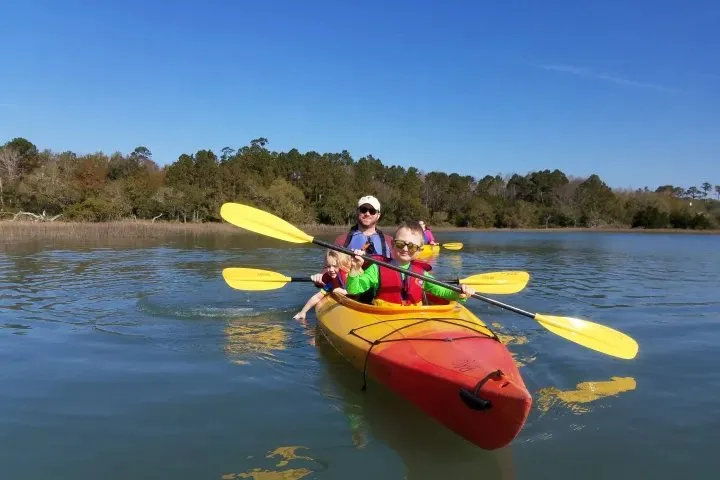
Featured
Black River Outdoors
⭐⭐⭐⭐⭐ 4.9 on TripAdvisor (1,140 reviews)
Kayak Fishing & Eco Tours — Female & Veteran Owned
The premier kayak fishing guide in the Murrells Inlet / Pawleys Island area. 4-hour guided kayak fishing trips targeting redfish, flounder, speckled trout, and more in the tidal creeks and grass flats. All equipment and bait provided. Rated 4.9 on TripAdvisor across 1,140+ reviews. “Went out kayak fishing with Stephen a couple days ago — he is an outstanding guide! I’m new to the Murrells Inlet area and kayak fishing. He was extremely knowledgeable.” — TripAdvisor reviewer
From $130/person
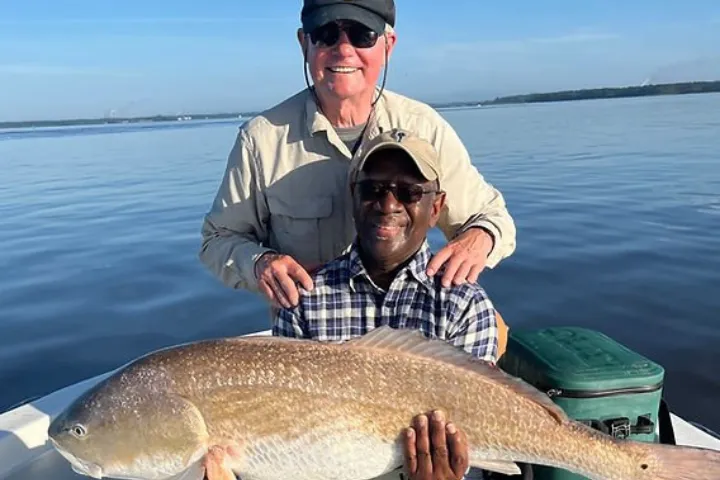
Featured
Outlaw Fishing Charters
⭐⭐⭐⭐⭐ 5.0 (120+ reviews)
Inshore Fishing on the Murrells Inlet Marshwalk
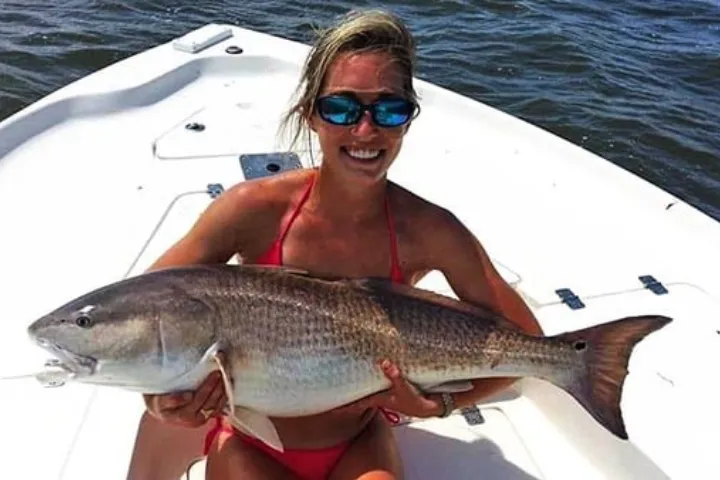
Featured
Harvest Moon Fishing
⭐⭐⭐⭐⭐ TripAdvisor Travelers' Choice 2025
Inshore, Nearshore & Tarpon Charters | Capt. R.C.
Capt. R.C. runs Harvest Moon out of the Georgetown–Murrells Inlet–Myrtle Beach corridor with half-day and full-day charters: year-round inshore trips for redfish, trout, and flounder, nearshore runs for king mackerel, cobia, Spanish mackerel, and sharks, seasonal tarpon trips, and eco-tours. A 2025 TripAdvisor Travelers’ Choice and Sun News “Best of the Beach” winner that welcomes everyone from experts to first-time families. This is a boat charter rather than a kayak trip — the right pick when you want to get outside the inlet.