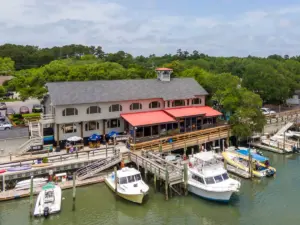
The best time to kayak Murrells Inlet is a rising (incoming) tide in the early morning, roughly two hours before to two hours after high tide — the water is calmest, wildlife is most active, and you avoid both the midday heat and the afternoon thunderstorms common on the South Carolina coast. That said, “best” depends on what you’re after: sunset paddlers, anglers, and families with kids all have a different ideal window.
Key takeaways
- Time your trip around the tide stage first, the clock second — an outgoing tide can strand you in shallow mud; time your return with the tide, not against it.
- Early morning (roughly 6–9am) tends to have the calmest water, coolest temperatures, and the most active wildlife.
- Late spring through early fall has the warmest water and longest daylight, but also the highest chance of afternoon thunderstorms — plan morning trips in summer.
- Sunset paddles are popular on the MarshWalk side of the inlet for the views, but plan to be off the water by dark.
- Winter kayaking is possible in Murrells Inlet’s mild coastal climate, though water and air temperatures are colder and fewer operators run daily trips.
Tide stage matters more than clock time
Because Murrells Inlet is a tidal estuary, “morning” or “afternoon” matters less than where you are in the tide cycle. A rising tide gently floods the marsh creeks and helps carry you along; a falling tide can leave you paddling through skinny water or exposed mud in the shallower creeks. Check the current tide chart before every trip and aim to launch on a rising tide so you’re not fighting an outgoing current on the way back.
Time of day
Early morning, roughly 6am to 9am, is generally the best window: boat traffic is lightest, temperatures are cooler (especially in summer), and wading birds, fish, and dolphins tend to be more active before the day heats up. Midday sun on open marsh water is intense with little shade — bring sun protection if you’re paddling later in the day. Late afternoon into sunset is the second-best window, especially for the classic MarshWalk sunset views, but budget your time to be back at the launch before dark.
Season
- Late spring (April–May): Warming water, comfortable air temperatures, fewer crowds than peak summer.
- Summer (June–August): Warmest water and longest days, but expect afternoon thunderstorms — mornings are the more reliable window.
- Early fall (September–October): Often the sweet spot — warm water, thinner crowds, and typically more stable weather than summer.
- Winter (November–March): Mild by national standards but noticeably colder water and air; fewer operators run daily rentals, so call ahead.
Frequently asked questions
What’s the best month to kayak Murrells Inlet?
Late September and October are frequently cited as a sweet spot — water is still warm from summer, crowds thin out, and weather tends to be more settled than peak summer.
Should I paddle on high tide or low tide?
Neither extreme is ideal for a first trip — the couple of hours around high tide (both the rise and the early ebb) generally give you the most water depth and easiest paddling through the marsh creeks.
Can I kayak at night in Murrells Inlet?
Some operators offer guided sunset or evening paddles, but self-guided night paddling isn’t something we’d recommend without local knowledge of the creeks and current tide stage — visibility and navigation get much harder after dark.
Is early morning too early for kids?
Not necessarily, but for a family trip, a mid-morning launch (after the earliest heat-sensitive window but before midday sun) is often the easier balance for kids.
Does rain cancel a kayak trip?
Light rain doesn’t automatically cancel a trip, but thunderstorms do — lightning over open marsh water is genuinely dangerous. Most operators will reschedule if weather turns.